Origin
Droplet Labs began with two questions its founder kept hearing in Yaoundé: why is getting online so expensive, and why does every platform want your name and personal details before you can even sign in? Droplet Messenger was the first answer: a messaging app that keeps working when the network does not, with no personal information required. Solving that one problem led to the others. Files needed to move between nearby devices, so Droplet Drop followed. Learning and preparation needed tools that respect a small budget, so Kunfox and Parole followed.
The name groups these projects under one roof. It is not yet a company: there is no registration, no staff and no investors. There is a body of working software and a plan.
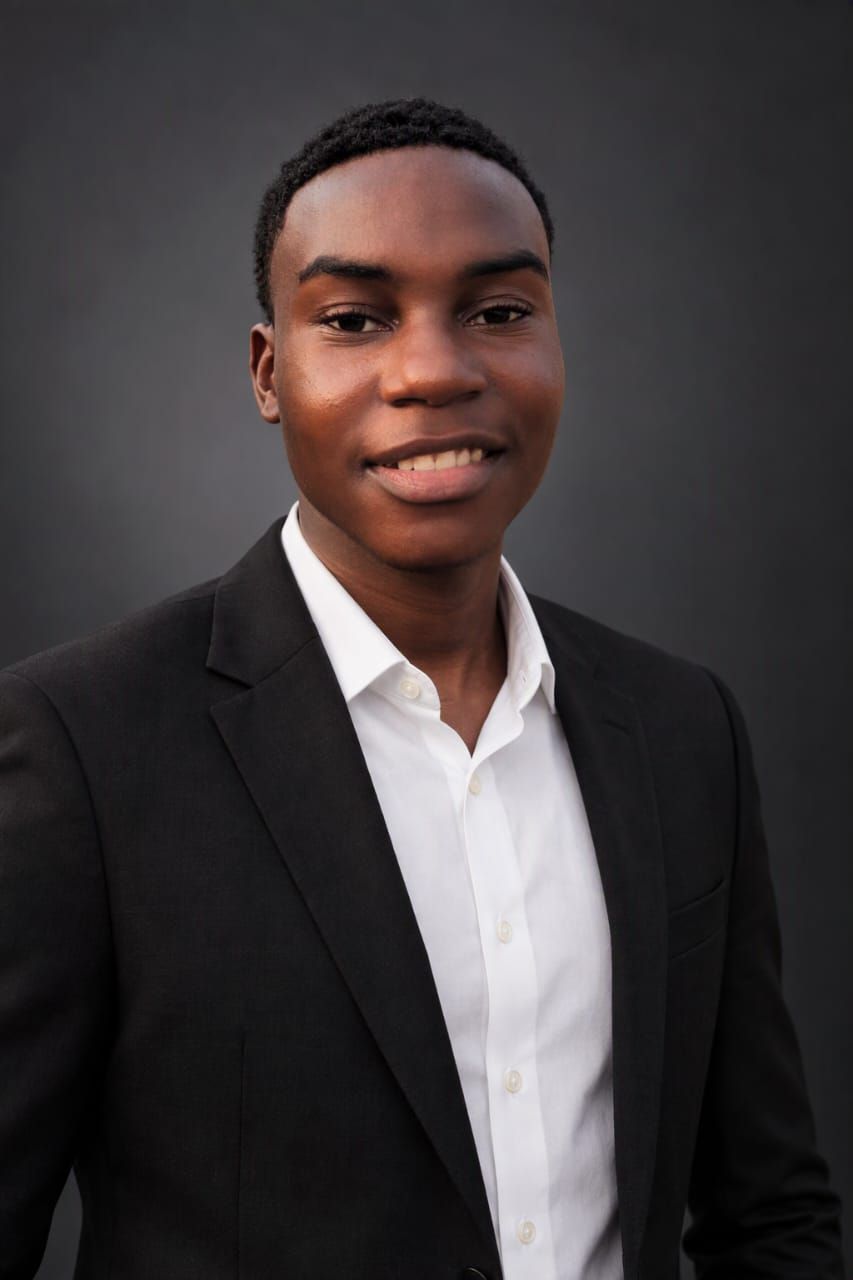
Effi Djimeli Miguel Batime
One developer leads every project, across mobile apps, servers, desktop software and websites, in Dart, Kotlin, Rust, Java and TypeScript.
Read the full biographyMuch of the world’s software assumes a fast, cheap and permanent connection. Much of the world does not have one. Droplet Labs builds for that gap first, because software that works there tends to work everywhere.
- Useful before impressive: a feature earns its place by solving a real problem.
- Private by default: the less a server knows, the less there is to leak.
- Measured, not assumed: performance and reliability claims come from tests that actually ran.
Long-term ambitions
A complete connection infrastructure, built from Cameroon. First Droplet ID: one identifier, no personal information, a key that never leaves your device, to sign in to every Droplet app. Then a way to reach the internet at lower cost and securely, with nothing more than that identifier, and without depending on servers abroad. Goal: 100,000 people by 2028, in Cameroon first, then across French-speaking Africa.
Read the vision